
 By
By Why So Many People Feel Stuck With a Slow Metabolism
For a long time, I thought “slow metabolism” was just one of those phrases people used when nothing else explained what was happening.
Like a placeholder.
A polite excuse.
Eat less, move more — that was always the answer. And honestly, sometimes it worked. At least in the beginning. But I kept noticing the same pattern, especially in people over 30. They weren’t careless. They weren’t lazy. They were trying, often harder than before.
And still… nothing moved.
Weight stayed stuck.
Energy stayed low.
Motivation slowly faded.
That’s when “slow metabolism” stopped sounding like an excuse and started sounding like a signal.
Why a Slow Metabolism Feels Different Than Just Gaining Weight
There’s a difference between gaining weight because of habits and gaining weight because your body just isn’t responding anymore.
People with a slow metabolism often describe things like:
- eating less but not losing weight
- feeling tired even after sleeping
- getting cold easily
- losing weight once, years ago, but not now
- stubborn belly fat that doesn’t respond
What stands out is not just the weight — it’s the energy.
Something feels off. Not dramatic. Just quietly wrong.
And that’s usually the part most advice skips over.
The Real Causes of a Slow Metabolism (Not the Simplified Version)
Metabolism isn’t a single switch. It’s a system. And systems slow down for reasons.
From what I’ve seen and learned over time, common causes include:
- repeated dieting over the years
- chronic stress
- poor or shallow sleep
- long-term calorie restriction
- aging-related cellular changes
None of these mean someone “failed.”
They mean the body adapted.
When the body senses stress — physical or mental — it becomes conservative. It prioritizes survival, not fat loss. Energy output drops. Fat storage becomes easier.
This is where cellular energy starts to matter.
Cellular Energy: The Part Most People Never Hear About
Inside every cell are tiny structures responsible for producing energy. This energy fuels everything — movement, thinking, digestion, temperature regulation.
When this system runs efficiently, the body feels cooperative.
When it doesn’t, everything feels harder than it should.
Low cellular energy doesn’t announce itself loudly. It shows up as fatigue. Brain fog. Reduced motivation. A metabolism that feels sluggish no matter what you try.
That’s why some people can diet and exercise and still feel stuck. The issue isn’t willpower — it’s efficiency.
Why “Eat Less” Often Backfires After a While
This part is uncomfortable, but important.
Cutting calories works short term. The body responds. Weight drops. But the body is smart. Over time, it adapts by lowering energy output.
This means:
- fewer calories burned at rest
- more fatigue from the same activity
- increased hunger signals
At that point, eating even less just adds more stress. And stress is one of the fastest ways to slow metabolism further.
I’ve seen people push harder at this stage, thinking discipline will fix it. Usually, it just makes things worse.
Supporting Metabolism vs Forcing It
There’s a difference between forcing the body and supporting it.
Forcing looks like:
- stimulants
- aggressive fat burners
- extreme restriction
Support looks quieter:
- improving cellular energy
- reducing internal stress
- helping the body function efficiently again
This is where natural metabolism support becomes interesting — especially for people who’ve already “tried everything.”
Where I First Heard About Metabolism Support Supplements
I didn’t go looking for supplements. I’m cautious by nature.
But I kept seeing discussions shift away from fat burners and toward metabolic health and cellular energy. That framing made more sense, especially for people dealing with slow metabolism after 30.
One name that came up repeatedly was Mitolyn.
Not loudly. Not aggressively. Just… consistently.
So I looked into it, slowly.
What Mitolyn Is Meant to Do (And What It Isn’t)
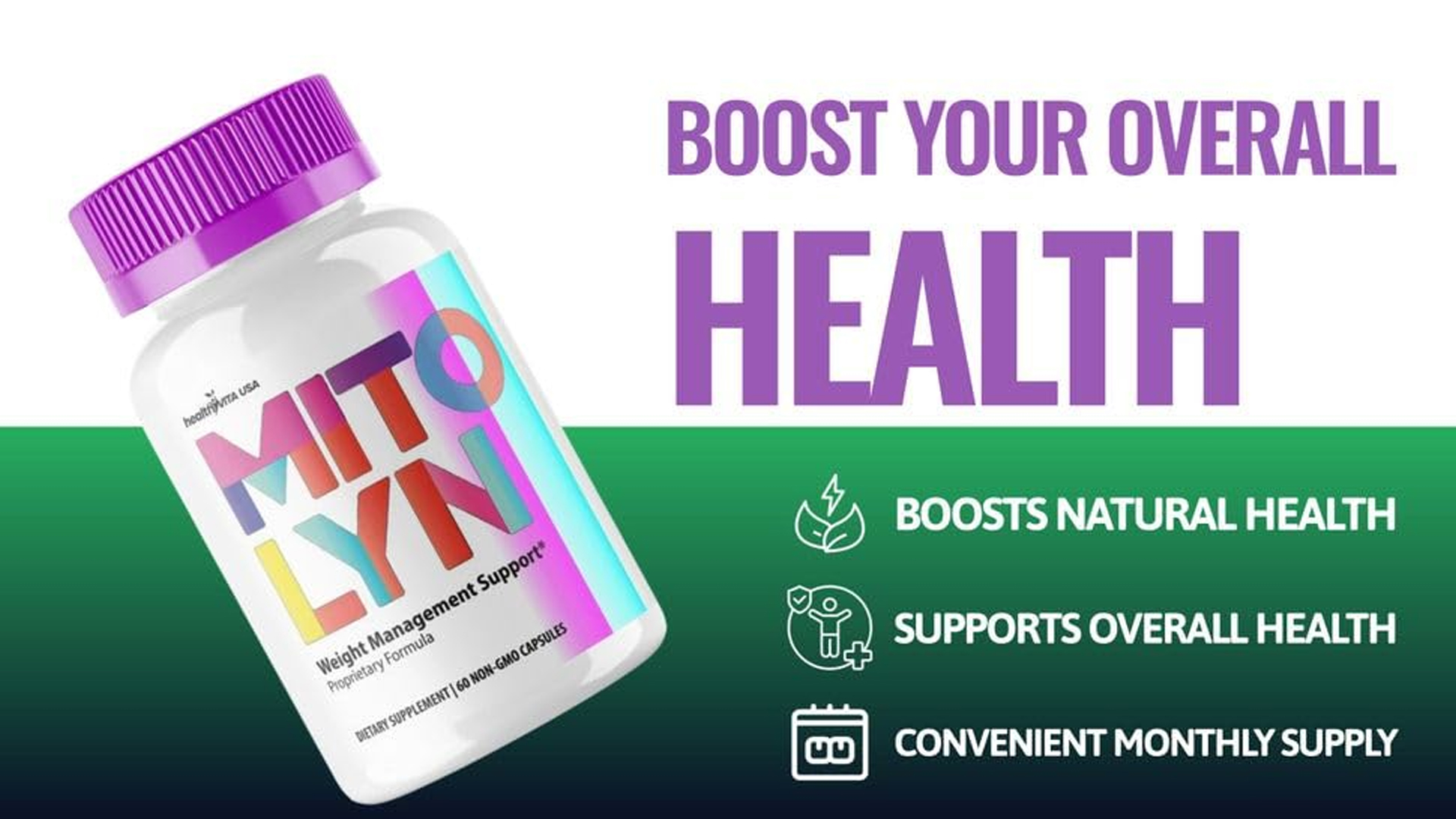
Mitolyn isn’t positioned as a quick weight loss product. That’s actually one of the reasons it stood out.
It’s described as a plant-based supplement designed to support metabolic and cellular energy processes.
No stimulants.
No appetite suppressants.
No extreme promises.
Just one capsule per day.
That alone changes how expectations should be set.
Looking at the Ingredients Without the Hype
Instead of focusing on marketing language, I paid attention to why each ingredient might be included.
Maqui Berry
Known for its antioxidant content. Antioxidants help protect cells from stress, which matters for long-term metabolic function.
Rhodiola
Often associated with stress adaptation. Chronic stress is a major contributor to metabolic slowdown, even when diet looks “perfect.”
Haematococcus (Astaxanthin source)
Astaxanthin has been studied for its role in protecting cells from oxidative damage. This isn’t about stimulation — it’s about resilience.
Amla
Traditionally linked to digestion and nutrient absorption. Poor absorption quietly affects energy production.
Cacao Extract
Contains compounds like epicatechin, which have been studied for circulation and metabolic signaling.
Schisandra
Often associated with liver support and endurance. The liver plays a role in how energy and fat are processed.
None of these are dramatic on their own. Together, they point toward support, not force.
Why Subtle Changes Often Lead to Better Results
This is something I’ve noticed repeatedly.
When energy stabilizes, people naturally move more. Hunger becomes less chaotic. Motivation returns without being forced.
Fat loss, when it happens, tends to follow those changes rather than lead them.
That’s slower.
But it’s also more sustainable.
This is why metabolism support supplements usually require time — not days, but months.
How Long Metabolism Support Usually Takes
Cells don’t change overnight. Neither do habits.
From what I’ve seen, people who notice benefits usually stay consistent for at least:
- 8–12 weeks to feel energy changes
- 3–6 months for metabolic shifts
This aligns with how the body actually works, not how marketing often presents it.
It’s also why longer-term options are usually more cost-effective.
Who This Type of Support Makes Sense For
This approach isn’t universal.
It tends to make more sense for people who:
- are over 30
- feel tired most days
- have dieted multiple times
- struggle with stubborn fat
- want non-stimulant support
It’s less relevant for someone looking for rapid aesthetic changes. It’s more relevant for people who want their body to feel functional again.
Safety and Practical Considerations
This part doesn’t get attention, but it matters.
Mitolyn is manufactured in the USA, following FDA and GMP standards. Ingredients are plant-based and non-GMO.
There’s no subscription model.
No forced re-billing.
And there’s a 90-day money-back guarantee, which reduces risk for people who prefer to evaluate slowly.
I generally see that as a sign of confidence rather than pressure.
What to Expect (Realistically)
This isn’t something you take and suddenly feel different tomorrow.
What people often describe instead is:
- steadier energy
- fewer crashes
- reduced cravings
- improved consistency
Fat loss, if it happens, tends to follow these changes naturally.
That’s not flashy.
But it’s usually what lasts.
Learning More About Metabolism Support Options
If you want to explore ingredient details, current offers, or product information, you can check the official Mitolyn website here:
👉 View Mitolyn details on the official website
I recommend using the official source to avoid low-quality imitations, which tend to appear when products gain attention.
I don’t think most people have broken metabolisms.
I think many are running on systems that adapted to stress and never fully reset.
Supporting metabolism instead of fighting it…
that approach tends to work better than people expect.
And it rarely announces itself loudly.
Disclosure:
This article contains affiliate links. If you choose to purchase through them, I may earn a small commission at no extra cost to you.